Soft Power dalam Kompetisi Global: Peran Pengaruh Budaya dan Nilai dalam Geopolitik Modern
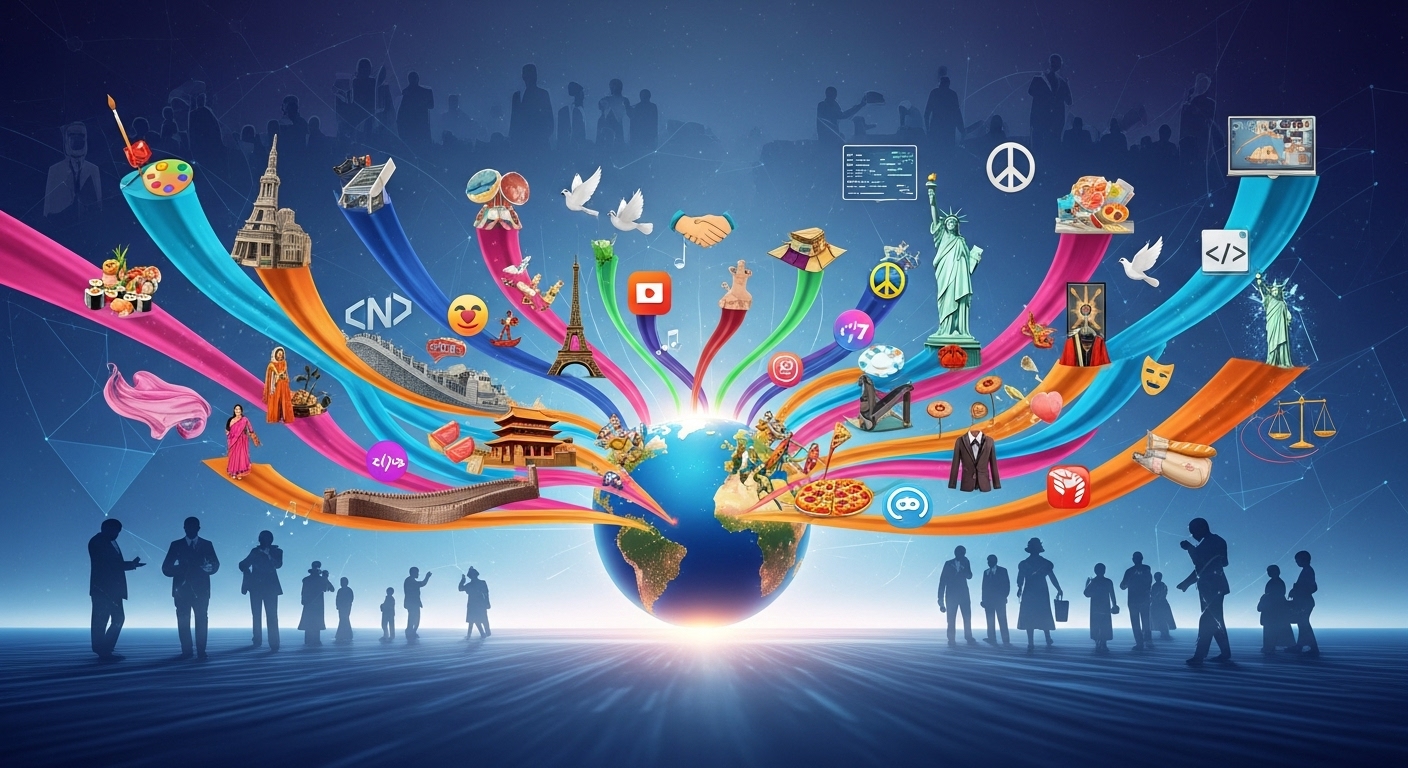
Ringkasan Eksekutif: Artikel ini menyajikan analisis komprehensif berdasarkan riset mendalam dan sumber-sumber kredibel untuk memberikan perspektif yang balanced tentang isu strategis global.
Dalam lanskap geopolitik kontemporer, kekuatan tidak hanya diukur dari arsenal militer atau GDP. Kemampuan untuk membentuk preferensi, menarik simpati, dan mempengaruhi narasi global—apa yang Joseph Nye sebut “soft power”—semakin central untuk national power calculations. Berbeda dari hard power yang coerces melalui military might atau economic leverage, soft power persuades melalui attraction dan legitimacy. Understanding dynamics dari soft power essential untuk comprehending complete picture dari power competition di abad ke-21.
Conceptualizing Soft Power: Attraction versus Coercion
Joseph Nye introduced istilah “soft power” dalam 1990 untuk describe ability untuk achieve preferred outcomes through attraction rather than coercion atau payment. Soft power rests on three primary resources: culture (dimana attractive untuk others), political values (when lived up to both domestically dan internationally), dan foreign policies (when seen as legitimate dan moral authority).
Distinguishing soft power dari traditional public diplomacy atau propaganda important. Public diplomacy often involves government-directed communications designed untuk improve country’s image. Soft power broader, encompassing totality dari perceptions yang country generates, many dari which originate dari non-governmental sources—civil society, corporations, individuals. Moreover, soft power influence must be perceived as legitimate; forced attraction atau manipulation defeats purpose.
Relationship between hard dan soft power complex dan often complementary. Hard power resources can generate soft power—successful economy attracting admiration, strong military providing security reassurance. Similarly, soft power can facilitate hard power objectives—allies more willing untuk share burden jika they find partner’s values dan culture attractive. Optimal strategy combines both dalam what Nye calls “smart power.”
Critical distinction: soft power works gradually, through changes dalam perceptions dan preferences, rather than immediate coercion. Cannot force someone untuk admire your culture atau adopt your values. Therefore, soft power requires consistency, credibility, authenticity over long periods. Quick fixes atau purely tactical approaches unlikely to generate lasting soft power gains.
Culture as Soft Power: Global Cultural Influence
Cultural exports—film, music, literature, art, fashion, cuisine, sports—among most visible manifestations dari soft power. American cultural dominance pasca-World War II exemplifies ini. Hollywood films, American music, blue jeans, Coca-Cola, McDonald’s spread globally, creating positive associations dengan American way dari life, making American values dan policies seem more attractive.
Contemporary Chinese efforts untuk build soft power heavily invest dalam cultural initiatives. Confucius Institutes established di hundreds dari universities worldwide teaching Chinese language dan culture. State-sponsored media outlets broadcasting dalam multiple languages globally. Chinese cinema receiving government support untuk international distribution. Traditional Chinese culture—calligraphy, traditional medicine, kung fu—promoted as symbols dari civilization’s depth dan sophistication.
South Korea represents remarkable soft power success story. “Korean Wave” atau Hallyu, especially K-pop music dan Korean dramas, gained massive following across Asia dan increasingly globally. BTS becoming global phenomenon, Korean dramas topping Netflix charts worldwide, Korean beauty products dominating markets—all contributing to positive image dari South Korea. Significantly, much dari ini organically driven by private sector dan grassroots enthusiasm rather than heavy-handed government direction, potentially making it more sustainable dan authentic.
Japan’s “Cool Japan” initiative similarly leverages anime, manga, video games, cuisine, fashion untuk cultural influence. Pokemon, Hello Kitty, Studio Ghibli films, Nintendo, Sony PlayStation, sushi—Japanese cultural exports enjoyed globally. However, some analysts note tensions between Cool Japan’s contemporary popular culture image versus traditional values yang conservative Japanese establishment might prefer promoting.
European countries historically strong dalam soft power through haute culture—French cuisine dan fashion, Italian art dan design, British theater dan music. European cultural diversity dan heritage sites attract millions dari tourists annually. European lifestyle concepts—Nordic hygge, French joie de vivre, Italian la dolce vita—globally aspirational.
Challenges exist untuk cultural soft power. Globalization can homogenize cultures, reducing distinctiveness. Cultural appropriation controversies arise ketika elements adopted tanpa proper context atau respect. Autocratic governments struggling untuk generate cultural soft power when creative expression requires freedom yang they restrict—Chinese censorship limiting appeal dari its cultural products, Russian artists frequently at odds dengan government.
Political Values and Governance Models
Soft power significantly derives dari attractiveness dari political values dan governance systems. Democracies historically enjoyed soft power advantage—freedom, human rights, rule dari law, accountable government appealing globally. This attraction facilitated American dan European influence during Cold War dan post-Cold War eras.
However, democracy promotion efforts sometimes backfired when perceived as imposed rather than genuinely supported, or when inconsistently applied based on geopolitical interests rather than principles. Iraq War significantly damaged American soft power globally, seen as violation dari international law dan destabilizing. Abu Ghraib, Guantanamo, torture revelations undermined moral authority Amerika claimed regarding human rights.
China increasingly promoting alternative governance model—authoritarian capitalism delivering economic growth dan stability tanpa Western-style democracy. Chinese officials argue their system better suited untuk China’s circumstances dan perhaps other developing countries facing similar challenges. Belt and Road Initiative, infrastructure investments, development financing presented as offering alternative to Western-dominated institutions dengan less political conditions attached.
Debate intensifying tentang superiority dari governance systems. Western democracies pointing to higher living standards, individual freedoms, innovative societies. Chinese government highlighting rapid development, poverty alleviation, COVID-19 response efficiency, social stability. Each side promoting narrative yang their system superior.
Soft power dari governance models tested during crises. COVID-19 pandemic become arena untuk competing narratives. China’s initial coverup damaged soft power, but subsequent domestic control contrasted dengan chaotic Western responses dalam some narratives. Vaccine diplomacy—providing vaccines to developing countries—became soft power competition, dengan China, Russia, US, EU all attempting untuk gain influence through vaccine provision.
Autocratic governments increasingly sophisticated dalam managing perceptions, using digital tools untuk project image dari competence dan progress while controlling negative information. Social media manipulation, state-backed media presenting polished narratives, inviting carefully curated international visits—all techniques untuk generating more favorable perceptions despite governance systems contrary to democratic values.
Education and Knowledge Exchange
Educational exchanges among most effective soft power tools. Tens dari thousands students annually studying in US, UK, China, Australia, other countries. These students potentially become future leaders dengan favorable views toward host countries, creating lasting networks dan influence.
Fulbright Program, Rhodes Scholarships, Chevening Scholarships, Chinese Government Scholarships—all instruments dari soft power disguised as educational opportunities. Alumni networks spanning decades dan continents provide channels untuk ongoing influence dan mutual understanding. Moreover, quality dari education builds respect untuk sending country’s intellectual achievements dan institutions.
Universities themselves soft power assets. Rankings dari top universities disproportionately featuring American dan British institutions enhance those countries’ reputations as centers dari learning dan innovation. Faculty exchanges, joint research initiatives, branch campuses all extend influence. China opening branch campuses dari Western universities untuk attract students unable atau unwilling untuk study abroad.
Language teaching crucial dimension. English dominance in international commerce, science, diplomacy gives Anglophone countries soft power advantage. Others attempting untuk promote languages—Confucius Institutes for Chinese, Institut Français dan Goethe-Institut for French dan German, Cervantes Institute for Spanish. However, non-coercive nature important—languages learned voluntarily because seen as useful, not imposed.
Think tanks dan research institutions contribute to soft power by shaping intellectual discourse. American think tanks like Brookings, Council on Foreign Relations, Carnegie Endowment influential dalam framing debates on international issues. Chinese establishing think tanks globally untuk present alternative perspectives. Competition over which ideas, frameworks, theories dominate international discourse reflects soft power dimensions.
Academic freedom critical untuk sustainable soft power from education. Universities that encourage critical thinking, diverse perspectives, freedom dari inquiry mehr attractive than those dengan heavy ideological control. This creates dilemma untuk authoritarian states wanting prestige dari world-class universities but uncomfortable dengan intellectual freedoms those institutions require.
Media and Information Influence
Control over atau influence dalam global information flows significant soft power resource. CNN effect during 1990s gave American perspectives disproportionate global reach. BBC World Service, Voice dari America, Radio Free Europe historically projected Western narratives globally. Al Jazeera emerged as non-Western voice, presenting Middle Eastern perspectives internationally.
China massively investing dalam international broadcasting. CGTN (China Global Television Network) broadcasts dalam multiple languages globally. Xinhua dan China Daily expanding international presence. State-backed media sophistication improving, hiring international journalists, producing professional content, attempting untuk appear less overtly propagandistic.
Russia Today (RT) dan Sputnik cultivated audiences globally, particularly among those skeptical dari Western media. Strategy often involves not promoting Russia explicitly but undermining confidence dalam Western institutions, democracy, media credibility. Amplifying divisive issues, promoting conspiracy theories, blurring lines between news dan disinformation all part dari hybrid information warfare blending hard dan soft power.
Social media platforms give state actors new channels untuk influence. Strategic messaging campaigns, bot armies, influencer partnerships all techniques untuk shaping online narratives. However, effectiveness debatable—target audiences often skeptical dari overt propaganda, dan backlash possible when manipulation exposed.
Credibility fundamental untuk media soft power. Outlets viewed as propaganda arms dengan no editorial independence lack persuasive power. BBC’s reputation built on perceived editorial independence, willingness untuk criticize British government, balanced reporting. VOA’s credibility enhanced by legal charter requiring objective, balanced programming. Outlets seen as mere government mouthpieces dismissed by sophisticated audiences.
Digital platforms created democratization dari information yang challenging for traditional soft power actors. Non-state actors—NGOs, activists, diaspora communities, online influencers—project messages globally independent dari governments. This can enhance soft power when messages align dengan government interests, or undermine it when critical. China’s control over domestic internet limits internal challenges but can’t fully prevent external criticisms yang accessible globally.
Diplomacy and International Engagement
How countries engage diplomatically affects soft power. Multilateralism versus unilateralism, respect untuk international law versus violations, consistency versus hypocrisy—all impact perceptions dari legitimacy dan attractiveness.
Respect untuk international institutions generally enhances soft power. Countries viewed as responsible stakeholders dalam UN system, WTO, WHO, ICJ gain legitimacy. Conversely, rejecting international jurisdiction, withdrawing from treaties, ignoring rulings damages soft power by suggesting rules only for others.
Humanitarian assistance dan disaster relief generate soft power. Countries providing aid after natural disasters, deploying medical teams during pandemics, contributing to peacekeeping operations earn gratitude dan respect. US Navy hospital ships visiting developing countries, Chinese medical teams fighting Ebola dalam Africa, European humanitarian aid during refugee crises—all generate positive perceptions.
Development assistance similarly contributes to soft power, though can also generate resentment if perceived as neo-colonial atau creating dependency. “No strings attached” development assistance—China’s proclaimed approach—appeals to countries tired dari Western conditionality regarding governance atau human rights. However, debt sustainability concerns dan perceptions dari exploitation can undermine soft power gains.
Leadership dalam addressing global challenges builds soft power. Countries championing climate action, pandemic preparedness, nuclear non-proliferation, sustainable development seen as responsible global citizens. Conversely, foot-dragging atau obstructionism on shared challenges undermines soft power.
Summit diplomacy—hosting major international conferences, mediating conflicts, facilitating negotiations—demonstrates leadership yang enhances soft power. Singapore hosting Trump-Kim summit, Switzerland’s long history dari neutral mediation, Norway’s role dalam peace processes all build reputations as responsible, capable international actors.
Track II diplomacy dan people-to-people exchanges complement official diplomacy. Sister city programs, cultural exchanges, scientific collaborations, business forums all create positive connections independent dari government relations. These relationships provide resilience for bilateral relations during political tensions.
Sports and Mega-Events as Soft Power Platforms
International sporting events long recognized as soft power opportunities. Olympics, World Cup, major championships provide platforms untuk showcasing country’s organizational capabilities, infrastructure, culture, hospitality to global audiences.
Beijing 2008 Olympics showcased China’s development achievements, organizational prowess, cultural heritage to billions worldwide. Opening ceremony’s spectacular presentation from Chinese history intended untuk reshape perceptions dari China as ancient civilization embracing modernity. Similarly, Qatar 2022 World Cup aimed untuk transform perceptions dari small Gulf state into major player, though human rights controversies complicated narrative.
Hosting mega-events costs billions but offers returns dalam national branding. However, overreach possible—overly lavish displays can seem wasteful, security restrictions create negative experiences, corruption scandals surrounding hosting decisions damage reputations. Athens 2004 Olympics contribute financially to Greek debt crisis, raising questions tentang cost-benefit dari hosting.
Sporting success itself generates soft power. Successful national teams, individual athletic champions become symbols dari national excellence, determination, investment dalam human development. Yao Ming’s NBA career boosted China’s image dalam America. African runners dominating marathons challenge stereotypes about continent. Success in particular sports can become part dari national identity—Brazilian soccer, Kenyan long-distance running, Jamaican sprinting, New Zealand rugby.
Boycotts dan politicization dari sports illustrate connection between athletics dan geopolitics. Cold War Olympic boycotts expressed political grievances through athletic sphere. Contemporary debates tentang Beijing 2022 Winter Olympics “diplomatic boycott” reflect tensions tentang balancing sporting ideals dengan political principles.
Esports emerging as new frontier untuk soft power. South Korea’s dominance dalam esports league, widespread gaming culture provides cultural export yang resonates dengan younger global demographics. China, US, Europe investing heavily dalam esports infrastructure, recognizing potential untuk cultural influence through digital sports.
Measuring Soft Power: Metrics and Limitations
Quantifying soft power inherently difficult given subjective, intangible nature. Various indices attempt measurements:
Portland Soft Power 30 ranks countries based on objective data (culture, education, governance metrics) dan subjective international polling. Monocle Soft Power Survey combines qualitative assessments dari government policy, culture, education, business, digital presence. Brand Finance Nation Brands index measures perceptions dari countries’ brand strength dari business perspective.
These rankings generally show Western democracies, particularly US, UK, Germany, France, Japan, consistently ranking highly. However, methodologies subject to criticism—Western bias dalam indicators, difficulty capturing non-Western soft power manifestations, static measurements that miss rapidly changing dynamics.
Public opinion polling provides empirical data on perceptions. Pew Research Center global attitudes surveys track favorability ratings dari major countries over time. Sharp declines dalam America’s favorability during Iraq War, improvements under Obama, further declines under Trump illustrate soft power volatility. China’s favorability declining dalam recent years amid concerns tentang trade practices, human rights, COVID-19 handling.
However, favorability ratings imperfect proxy untuk soft power. High favorability doesn’t automatically translates to policy influence. Moreover, different audiences matter differently—elite opinion versus mass public, regional versus global perceptions, specific demographic groups versus general populations.
Actual influence in international outcomes arguably better measure than popularity. Countries whose preferences prevail dalam international negotiations, whose norms become widely accepted, whose cultural products dominate global markets demonstrate soft power regardless dari popularity scores.
Limitations dari soft power also deserve acknowledgment. Soft power works slowly dan indirectly; tidak substitute untuk hard power dalam immediate crises. Cultural attraction doesn’t prevent conflicts when vital interests collide. Values dan culture can be attractive while specific policies unpopular. Soft power requires consistency over time, easily damaged by hypocrisy atau policy failures.
Future dari Soft Power Competition
Soft power competition intensifying as more countries recognize its importance dan invest strategically dalam building it. Technology providing new tools—social media reach, digital content delivery, online learning platforms—while also introducing vulnerabilities through disinformation, cyber attacks on reputations, digital authoritarianism.
Non-state actors increasingly important dalam soft power dynamics. Corporations (Apple, Google, Facebook), individuals (influencers, activists, celebrities), NGOs (Amnesty, Greenpeace) projecting messages globally sometimes aligned dengan, sometimes contrary to, government interests. Governments attempting untuk harness these actors for soft power while maintaining plausible deniability.
Authenticity remaining crucial challenge. Audiences increasingly sophisticated at detecting government-directed propaganda campaigns. Soft power most effective when organic, credible, consistent—qualities difficult untuk manufacture through government campaigns. Countries with vibrant civil societies, free media, creative industries have structural advantages dalam generating authentic soft power.
Values increasingly contested rather than universally accepted. Western assumption tentang universal appeal dari democracy, human rights, individual liberty challenged by alternative narratives emphasizing stability, collective welfare, cultural relativism. Soft power competition partly about which values become globally dominant.
Regional variation dalam soft power dynamics under-appreciated. South Korea’s Hallyu wave tremendously successful dalam Asia tapi less impact elsewhere. Arabic-language media dari Middle East influential dalam Arab world but limited beyond. Bollywood massive dalam South Asia dan diaspora communities tapi smaller global footprint. Global soft power rankings might miss regional soft power leaders.
Climate change, pandemics, other transnational challenges will increasingly shape soft power. Leadership dalam addressing shared problems will build legitimacy dan attraction. Conversely, free-riding atau obstruction will damage reputations. Soft power competition may increasingly revolve around demonstrating capability untuk solve complex global challenges requiring cooperation.
Ultimately, soft power tidak zero-sum game sama way hard power often is. Multiple countries dapat simultaneously possess significant soft power; one country’s cultural influence doesn’t preclude another’s. Indeed, cosmopolitan individuals appreciate multiple cultures, admire various political systems’ strengths, consume diverse media. Challenge adalah maintaining distinctive appeal while engaging constructively dalam increasingly interconnected world dimana soft power influences flow multidirectionally rather than unidirectionally from dominant power.
Komentar